
You exchanged a few words after a class, or keep saying hello at the same cafe. You'd like a longer conversation, but asking for their number feels like a bigger step than you've earned. If you're wondering how to ask out someone you barely know, start with a brief conversation, introduce yourself, and suggest one short date in a public place.
You can say, "I'm Alex, by the way. I've enjoyed talking with you. Would you like to meet for coffee on a date this weekend?" Ask once, give them room to answer, and accept a decline without asking them to explain. If you don't have a way to text each other, a small invitation card can carry the question home.
How to ask out someone you barely know after a brief chat?
Begin with something you actually shared. After a pottery class, try:
"Did your bowl survive the kiln? Mine came out a little crooked."
That gives you something to discuss besides the invitation you're working up to.


Let them respond before changing the subject to a date. If they turn back toward you and add to the conversation, you can introduce yourself and ask. That response gives you a moment to speak; it doesn't prove romantic interest.
- Use your name. They may recognize your face without knowing what to call you.
- Offer a small plan. Coffee on Saturday is easier to consider than an entire evening with someone unfamiliar.
- Make the date clear. Saying "on a date" avoids asking them to decode whether this is a classmate hangout.
- Finish the question and listen. Adding three backup plans before they answer can make a simple invitation feel like a negotiation.
If they keep their headphones on, step away, or give a short answer while returning to their task, end the conversation. Don't follow them to create another opening. Skip the romantic approach when someone is serving you at work and has to stay polite.
Which message fits where you met?
Use the version that matches your actual connection. Replace the place and day with details you can follow through on; don't borrow a shared memory that never happened.
Someone from a class:
"I've liked our chats after ceramics. Would you want to grab coffee nearby after next week's class, as a date?"
The class gives them context, and the nearby cafe gives the invitation a destination. They can decline without having to change how they attend class.


Ask during your conversation as you pack up, rather than waiting for them outside.
Someone you met at a friend's gathering:
"Hey, it's Alex from Maya's game night. I had fun talking about your camping trip. Would you be up for a coffee date on Sunday?"
Send this only if you already exchanged contact details or they agreed to hear from you. Don't ask the host to pass along a private number without permission.
Someone you've just started chatting with online:
"I'd like to continue our conversation in person. Would you be interested in a coffee date at Elm Cafe this weekend?"
Use the conversation channel you already share. If you haven't had any real exchange yet, ask about something they mentioned before proposing a meeting. You don't need a fixed number of messages, but both people should be taking part.
If you already know each other's humor, small, playful ways to ask someone out can help you personalize the wording.
Can you invite them without asking for a number?
After a friendly conversation, you can offer a two-sided QR card with a link to your coffee invitation. Say what it is before handing it over: "I made you a coffee invitation. Would you like the card? You can look at it later." If they decline the card, put it away.

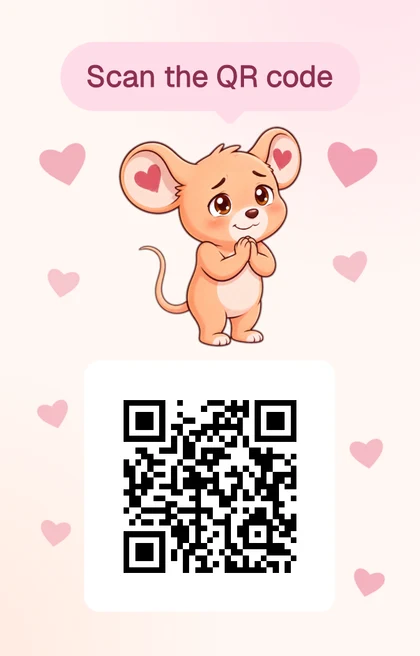
The print template is a two-sided, 57 x 89 mm card. Keep the invitation's opening words recognizable: your name, where you talked, and the coffee question. The example below uses the class conversation rather than a declaration about someone you haven't gotten to know yet.
This is what they'll see
I liked talking with you after class. Would you like to get coffee with me on a date this weekend?


They can consider the question later instead of arranging a date while you stand beside them. When you make a coffee invitation, print its QR card on both sides and hand it directly to the person after your conversation. The link opens in a browser, with no account or installation needed to answer. After a yes, they can choose among your suggested dates; you receive their answer by email.
The card should be an option, not a test. Don't ask them to scan it in front of you or leave it among their belongings without asking. The invitation has Yes and No buttons; the mouse playfully moves the No button, but a completed No still counts. If they decline in person, respect that immediately too.
How do you make the first meeting easy to leave?
Suggest a familiar, busy cafe and a manageable time: "Coffee at Elm Cafe on Saturday at eleven? I can stay until noon." This describes your availability without requiring them to spend the whole hour with you.


Arrange to meet there rather than asking for their home address. Each of you should have your own way there and back. For a first meeting, South Australia Police's dating safety guidance recommends a busy public place, independent transportation, and telling someone your plans.
If they suggest another public spot or a different day, respond to that concrete alternative. A yes to coffee doesn't settle what happens afterward. You can decide together whether to stay longer once you've met.
How should you handle a rejection or an unanswered invitation?
For a clear decline, a short reply is enough: "Thanks for letting me know. See you around." Keep your next greeting ordinary if you share a class or cafe. Don't make them manage your disappointment whenever they return.


If they say they're busy without offering another time, leave the next move with them: "Okay, if you'd like to sometime, let me know." Then stop asking. You don't need to decide whether the reason was genuine before respecting the answer.
If nothing comes back from the card, let it rest. Don't hand over a replacement or ask mutual friends whether they scanned it. You offered a date; they get to decide whether to respond.
In short
Start with a shared moment, introduce yourself, and offer one short coffee date.
A QR card can carry the invitation when you haven't exchanged numbers. Explain it, offer it, and leave them time to decide.
Accept a decline or silence without another attempt. For more help choosing the words inside the card, read about writing an invitation by link.